Does Your Medicine Cabinet Stash Still Work? The Truth About ED Medication Shelf Life and Storage

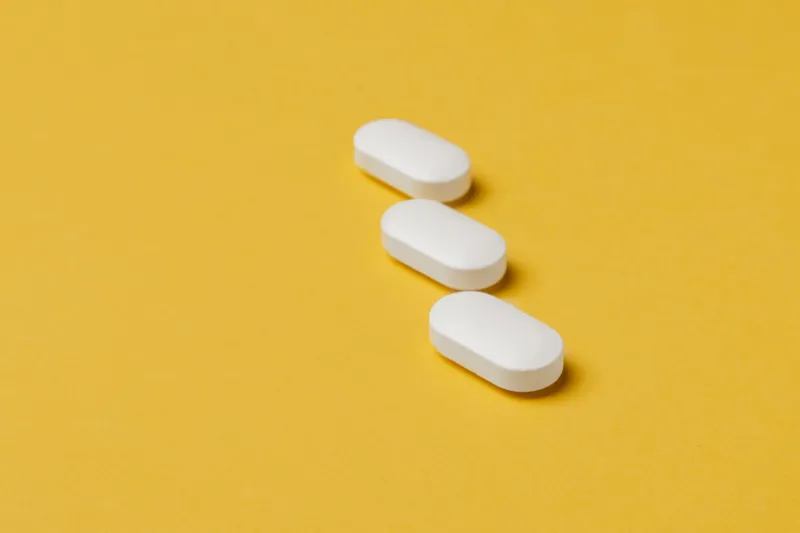
Photo by Photo by Barnaby Woodrow on Unsplash on Unsplash
Many men keep a reserve of ED medication on hand—a few tablets tucked into a nightstand drawer, a partial blister pack in the bathroom cabinet, or a bottle stored in a travel bag for convenience. It feels like responsible preparation. But there is a meaningful gap between having medication available and having medication that still works as intended.
Sildenafil and other phosphodiesterase type 5 (PDE5) inhibitors are chemically stable compounds, but they are not indestructible. Like every pharmaceutical product, they are subject to degradation over time and under adverse conditions. Understanding what actually happens to these medications as they age—and what accelerates that process—can help men make more informed decisions about whether their on-hand supply is genuinely reliable.
What the Expiration Date Actually Represents
Pharmaceutical expiration dates in the United States are not arbitrary numbers. The Food and Drug Administration (FDA) requires manufacturers to conduct stability testing under controlled conditions and to set expiration dates based on the point at which a drug can no longer be guaranteed to retain at least 90 percent of its labeled potency. In practice, many medications remain chemically stable beyond that date—but the critical word is guaranteed.
For sildenafil specifically, manufacturers typically assign a shelf life of approximately two years from the date of manufacture. That means a pill you pick up at the pharmacy has already been manufactured weeks or months prior, and the clock started then—not when you filled your prescription.
Once a medication falls below that 90 percent potency threshold, the FDA considers it subpotent. For an ED medication, subpotency does not mean the pill is dangerous; it means you may be taking what is effectively a reduced dose without knowing it. Given that ED medications are already dosed with careful precision—often starting at 50 mg of sildenafil with adjustments based on individual response—even a modest reduction in active ingredient can shift a previously effective dose into one that produces little to no result.
The Environment Is the Real Threat
Expiration dates are calculated under ideal storage conditions: typically around 68 to 77 degrees Fahrenheit (20 to 25 degrees Celsius), low humidity, and protection from direct light. The problem is that most men do not store their medications under those conditions.
Consider the bathroom medicine cabinet—perhaps the most common storage location in American households. Bathrooms are warm, humid environments. Every shower creates a spike in both temperature and moisture. That combination is particularly damaging to oral medications, which are vulnerable to hydrolysis—a chemical reaction in which water molecules break down the active compound. Sildenafil tablets exposed to repeated humidity cycles can degrade significantly faster than the labeled shelf life would suggest.
Cars present an even more extreme scenario. Interior vehicle temperatures in summer can exceed 130 degrees Fahrenheit. A pill left in a glove compartment or center console during a hot July in Phoenix or Houston may degrade within days or weeks rather than months.
Direct sunlight introduces another variable: photodegradation. Many pharmaceutical compounds, including PDE5 inhibitors, are sensitive to ultraviolet exposure. This is why medications are typically dispensed in amber-colored bottles or opaque blister packaging—protective measures that lose their effectiveness once packaging is opened or damaged.
What Degraded Sildenafil Actually Does
When sildenafil degrades, its active molecule breaks down into byproducts that no longer bind effectively to PDE5 enzymes. The result is reduced inhibition of the enzyme responsible for restricting blood flow to erectile tissue. In practical terms, a man who reliably achieves results with a 50 mg dose may find that the same tablet from a compromised supply produces a weaker or absent response.
This dynamic creates a particularly frustrating trap. A man who experiences an unexpected treatment failure may attribute it to worsening ED, increased performance anxiety, or the need for a higher dose—when the actual cause is simply that his stored medication has lost potency. That misattribution can lead to unnecessary dose escalation or unwarranted concern about the progression of his condition.
It is also worth noting that degraded medication does not typically produce a predictable, proportional reduction in effect. The degradation process is not uniform across all tablets in a supply, particularly if storage conditions have varied. One pill may retain most of its potency while another from the same batch has degraded considerably.
Recognizing the Signs of Compromised Medication
While chemical degradation is not always visible, there are physical signs that suggest a tablet has been exposed to damaging conditions:
- Discoloration: Sildenafil tablets that appear darker, yellowed, or uneven in color may have undergone chemical changes.
- Texture changes: Tablets that have become crumbly, sticky, or unusually soft have likely been affected by moisture.
- Unusual odor: A chemical or musty smell that was not present when the medication was new can indicate degradation.
- Damaged packaging: Blister packs that have been punctured, bent, or exposed to moisture no longer offer the protective barrier they were designed to provide.
If any of these signs are present, the medication should be discarded—regardless of whether the expiration date has passed.
Where and How to Store ED Medications Properly
Proper storage significantly extends the functional life of sildenafil and related medications. The following guidelines align with standard pharmaceutical storage recommendations:
Choose a cool, dry location. A bedroom dresser drawer or a dedicated storage container in a closet is preferable to a bathroom cabinet. The goal is a location where temperature stays relatively stable and humidity is low.
Keep medications in their original packaging. Blister packs and amber bottles provide meaningful protection against light and moisture. Transferring tablets to a pill organizer or leaving them loose increases their exposure to environmental factors.
Avoid vehicles. Medications should not be stored in cars for extended periods. If you travel with ED medication, keep it in a carry-on bag or personal luggage rather than a checked bag or vehicle.
Check the expiration date before use. This sounds obvious, but it is easy to lose track of when a partial supply was filled. If you are unsure, check the label or contact your pharmacy.
When It Is Time to Refill Rather Than Rely on What You Have
A reasonable rule of thumb: if a supply is past its expiration date, has been stored in a suboptimal environment, or shows any physical signs of degradation, refilling is the more reliable option. The cost of a new prescription is far lower than the cost—financial and psychological—of an unexpected treatment failure at a critical moment.
For men who use ED medication infrequently and find themselves with aging supplies, discussing a prescription renewal with a healthcare provider is straightforward. Many telehealth platforms now make this process accessible without an in-person visit, reducing the friction that sometimes leads men to rely on questionable stockpiles rather than seeking a fresh supply.
The goal of ED medication is dependable, predictable performance. That dependability starts with the quality and integrity of the medication itself—and that integrity begins long before the pill is taken.